

If you smell gas in your home or commercial property in London, treat it as an emergency.
A gas leak can lead to explosion, fire, or carbon monoxide poisoning. Acting quickly and correctly can prevent serious harm.
Immediate 5-Step Emergency Action Plan
If you smell a rotten egg or Sulphur-like smell (added to natural gas for safety detection):
- Open doors and windows immediately to ventilate the property.
- Turn off the gas supply at the emergency control valve (usually next to the gas meter).
- Do NOT use electrical switches, doorbells, or light switches.
- Avoid naked flames – no smoking, candles, or matches.
- Call the Gas Emergency Service on 07428 223052.
This is the official gas emergency number for London and across the UK. It connects to the emergency network operated in coordination with utility providers and infrastructure managers.
If you are in immediate danger, leave the property and call from outside.
Is a Gas Leak Dangerous?
Yes. Even a small gas leak can be hazardous.
Gas leaks pose three major risks:
1. Explosion Risk
Natural gas is highly flammable. In enclosed spaces, a small spark can cause ignition.
This is why you must not switch lights on or off.
2. Fire Hazard
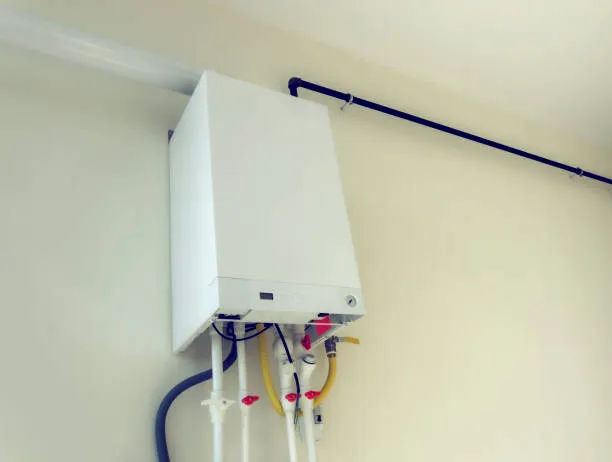
Gas accumulation in kitchens, boiler cupboards, or commercial kitchens can ignite unexpectedly.
3. Carbon Monoxide Poisoning
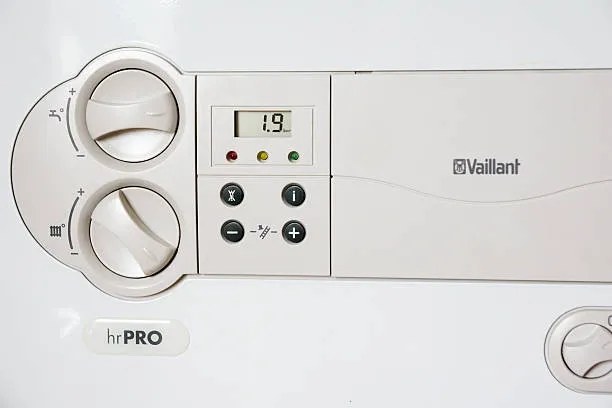
Faulty combustion appliances such as boilers can produce Carbon Monoxide — an invisible, odourless gas that can be fatal.
Symptoms include:
- Headache
- Dizziness
- Nausea
- Confusion
- Shortness of breath
Install carbon monoxide alarms in all London properties with gas appliances.
Should I Turn Off Electricity If I Smell Gas?
Do not touch electrical switches inside the property.
If safe to do so:
- Turn off gas at the emergency control valve.
- Leave electricity as it is unless advised by emergency services.
Using switches may create a spark.
Where Is the Emergency Control Valve?
The emergency control valve is usually:
- Next to the gas meter
- Near the front of the property
- In kitchen cupboards in flats
- In meter boxes outside houses
Turn it 90 degrees so the handle is across the pipe.
If you live in a shared building in Camden, Islington, Hackney, or Westminster, you may have a communal meter room. Contact building management immediately.
What Happens After You Call the Emergency Gas Number?
When you call:
- An engineer is dispatched — often within 1 hour in most London boroughs.
- They test for gas levels.
- They isolate the leak.
- They cap or disconnect unsafe appliances.
- They declare the property safe or unsafe.
They do not usually carry out full repairs. For that, you’ll need a Gas Safe Register certified engineer.
Always check an engineer’s Gas Safe ID before allowing work.
Emergency Gas Engineer London – Who to Hire After Isolation
Once the emergency service has made the property safe, you’ll need a 24 hour gas engineer in London.
Look for:
- Gas Safe registration
- 24/7 availability
- Under 60-minute response claims
- Local reviews
- Clear call-out pricing
Search variations often include:
- emergency gas engineer North London
- gas leak repair Camden
- 24/7 gas engineer Westminster
- gas leak South London
Local engineers in boroughs like Croydon, Barnet, Stratford, Kensington, Chelsea and Southwark understand older pipe systems and Victorian infrastructure risks common in London properties.
Common Causes of Gas Leaks in London Properties
Residential
- Faulty boiler seals
- Corroded gas pipes
- Loose fittings
- Old cooker connections
- Damaged gas meter connections
Victorian and Edwardian homes in areas like Islington and Hackney may have ageing pipework.
Commercial
- Commercial kitchen pipe failures
- High-pressure appliance faults
- Poorly maintained combustion systems
- Infrequent gas safety inspections
Restaurants and cafes in Westminster or Camden face higher usage strain.
Can I Stay in the House If the Gas Smell Is Weak?
No smell should be ignored.
Even a faint natural gas smell means:
- Ventilate immediately
- Turn off gas supply
- Call 07428 223052
Do not assume it’s minor.
Gas accumulation can build slowly.
Gas Leak Repair Cost London (2026 Pricing Guide)
London emergency repair pricing varies depending on:
- Time of day
- Severity
- Appliance vs pipe repair
- Accessibility
Typical Costs
| Service | Average London Cost |
|---|---|
| Emergency call-out | £90–£150 |
| Night/weekend premium | +20–40% |
| Boiler gas leak repair | £150–£400 |
| Pipe repair | £200–£600 |
| Full pipe replacement | £400–£1,500+ |
Commercial properties may incur higher costs due to compliance testing and system scale.
Always request written confirmation of:
- Diagnosis
- Parts required
- Labour
- VAT
Who Pays for a Gas Leak in a Rented Property?
Under the Gas Safety Regulations 1998:
Landlord Responsibilities
- Maintain gas appliances
- Annual inspection
- Provide valid CP12 Certificate
- Repair unsafe systems
The CP12 certificate confirms annual safety checks.
If a gas leak occurs due to neglected maintenance, the landlord is legally responsible.
Tenant Responsibilities
- Report gas smells immediately
- Allow access for inspection
- Avoid tampering with appliances
Failure to comply can lead to legal consequences.
Landlord Gas Safety London – Legal Breakdown
Landlords must:
- Use Gas Safe registered engineers
- Keep inspection records
- Provide CP12 annually
- Install carbon monoxide alarms
Failure can result in fines or prosecution.
Property managers in Southwark, Croydon and Barnet must ensure compliance across portfolios.
Is a Gas Leak Covered by Insurance?
Coverage depends on policy.
Generally:
- Sudden pipe damage may be covered.
- Negligence or poor maintenance often isn’t.
- Boiler faults may require specific home emergency cover.
Commercial landlords should check building insurance clauses for gas-related incidents.
Always document:
- Emergency report
- Engineer invoice
- Photographs
- Safety notices
Residential vs Commercial Gas Leak Emergency
| Factor | Residential | Commercial |
|---|---|---|
| Risk Level | Moderate | High |
| Occupancy Impact | Family | Staff & public |
| Compliance | Basic CP12 | Stricter commercial compliance |
| Repair Cost | Lower | Higher |
| Downtime Loss | Minimal | Revenue impact |
Restaurants, care homes, and office blocks must act faster due to liability exposure.
How Long Does It Take to Fix a Gas Leak?
Most gas leaks are made safe within a few hours, but a full repair can take anywhere from under an hour to several days. How long a gas leak takes to fix depends on two separate stages: making the property safe, then repairing the fault.
Stage 1: Making the Property Safe
- Gas networks aim to attend an uncontrolled gas escape within 1 hour and a controlled one within 2 hours.
- The emergency engineer usually needs 30 to 60 minutes on site to isolate the supply, test gas levels and disconnect unsafe appliances.
- Once the leak is isolated, the property is declared safe or unsafe.
Stage 2: Repairing the Gas Leak
How long it takes to repair a gas leak depends on the cause. These are indicative timings:
| Type of gas leak | Typical repair time |
|---|---|
| Loose fitting or old cooker connection | 30 to 60 minutes |
| Boiler seal or valve fault | 1 to 3 hours (longer if parts are needed) |
| Corroded section of gas pipe | 2 to 4 hours |
| Full pipe replacement | Half a day to several days, depending on access |
What Affects How Long a Gas Leak Takes to Fix?
- Location of the leak: hidden pipes behind walls or under floors take longer.
- Age of the system: Victorian and Edwardian pipework often needs extra work.
- Parts availability: boiler components may need ordering.
- Time of day: night and weekend call-outs can mean longer arrival times.
- Building type: flats with shared meter rooms need access from building management.
How Long Does a Gas Leak Take to Fix in a Commercial Building or School?
- Larger systems need sectional isolation and full pressure testing.
- Gas cannot be restored until the engineer confirms the system is safe.
- Schools, care homes and restaurants should plan for longer downtime than a typical home.
How to Report a Gas Leak in the UK: Gas Leak Number, Process and Cost
To report a gas leak in the UK, call the National Gas Emergency Service on 0800 111 999. The call is free, lines are open 24 hours a day, and you can report a gas smell, a suspected gas escape or a leak outside.
Gas Leak Emergency Number (UK)
- Call 0800 111 999 if you smell gas, whether you search for the gas leak number, the gas emergency number or the smell gas number.
- Use the same number to report a gas smell outside, in the street or at a neighbouring property.
- You do not need to know who your gas supplier is.
- Call from outside the property, or from a neighbour’s, if you smell gas inside.
How to Report a Gas Leak: What to Tell the Operator
- Your full address and postcode.
- Where the smell is strongest (inside, outside, near the meter, near an appliance).
- Whether anyone feels unwell (headache, dizziness, nausea).
- Whether you have already turned off the gas at the emergency control valve.
What Happens When You Report a Gas Leak?
- The call handler takes your details and gives safety advice.
- An emergency engineer is dispatched to your address.
- The engineer tests gas levels and finds the source.
- The leak is isolated and unsafe appliances are capped or disconnected.
- The property is declared safe or unsafe, and you are told what repairs are needed.
Is It Free? Do You Get Charged for a Gas Leak Call-Out?
- Calling the national emergency line is free.
- The emergency engineer attends to make the situation safe at no charge.
- Repairs to appliances or pipework on your side of the emergency control valve are paid for by the property owner or landlord.
- Always ask a private engineer for written call-out pricing before work starts.
Is There a Non-Emergency Gas Leak Number?
- There is no safe “non-emergency” gas smell. If you smell gas, call 0800 111 999.
- If you only suspect an appliance fault (no smell, no symptoms), contact a Gas Safe registered engineer.
- If you feel unwell, leave the property, get fresh air and seek medical help. Call 999 if symptoms are serious.
Gas Leak Outside, at the Meter or on the Mains: Who to Call and Who Pays
If you smell gas outside, call 0800 111 999. The emergency service deals with leaks on the street, at the meter and on mains pipes. Who pays depends on where the leak is.
Who Is Responsible for Gas Leaks Outside the House?
| Where the leak is | Who deals with it | Who pays |
|---|---|---|
| Gas main in the street | Gas network operator (in London, mainly Cadent and SGN) | The network operator |
| Supply pipe between the main and your meter | Network operator makes it safe; ownership of the pipe can vary | Confirm with the operator |
| Gas meter (leaking gas meter, gas leak at meter) | Emergency service makes it safe first, then the meter owner | Usually not the occupier, but confirm |
| Pipework after the emergency control valve | Gas Safe registered engineer | Property owner or landlord |
Signs of a Gas Leak Outside Your Property
- A rotten egg or sulphur smell near the meter, drain or pavement.
- A hissing sound from a pipe or meter box.
- Bubbles in standing water or puddles.
- Dead or discoloured grass or plants along a pipe line.
- Dust or dirt blowing from the ground.
Gas Leak in Your Area or Near Me
- If you suspect a gas leak in your area, report it. Do not assume someone else already has.
- Keep people away from the spot, avoid ignition sources and call 0800 111 999.
- Report a gas smell outside even if you are not sure which property it is coming from.
Gas Leak in House: Who Pays?
- Homeowners pay for repairs to their own pipework and appliances.
- Landlords pay for repairs to gas systems in rented homes and must provide a valid gas safety certificate.
- Tenants should report the leak immediately and avoid tampering with appliances.
What to Do If You Smell Gas: Inside the House vs Outside
If you smell gas, open windows, turn off the gas supply, avoid anything that could spark, leave the property and call 0800 111 999. The steps differ slightly depending on where you are.
What to Do If You Smell Gas in Your House
- Open all doors and windows to ventilate.
- Turn off the gas at the emergency control valve (handle across the pipe).
- Do not touch light switches, doorbells or electrical appliances.
- Put out cigarettes and any naked flames.
- Leave the property and call 0800 111 999 from outside.
- Do not go back in until an engineer says it is safe.
What to Do If You Smell Gas Outside
- Move away from the area and keep others back.
- Do not smoke, light a flame or start a vehicle engine nearby.
- Call 0800 111 999 and describe the exact location.
- If the smell is near a building, alert the occupants and building management.
Is a Faint Smell of Gas Still an Emergency?
- Yes. A faint smell can be the early sign of a growing leak.
- Gas can build up slowly in kitchens, cupboards and meter rooms.
- Your nose can stop noticing the smell over time, so a smell that fades is not proof the leak has stopped.
Gas Smell vs Carbon Monoxide
- Natural gas has an added smell. Carbon monoxide has no smell at all.
- Headaches, dizziness, nausea and confusion indoors can signal carbon monoxide, even with no gas smell.
- Fit carbon monoxide alarms near every gas appliance.
Emergency Gas Repair vs Emergency Gas Service: What Is the Difference?
The emergency gas service makes your property safe and is free. Emergency gas repair is the paid work done by a Gas Safe registered engineer to fix the fault. You usually need both, in that order.
| Emergency gas service | Emergency gas repair | |
|---|---|---|
| Who | National Gas Emergency Service | Private Gas Safe registered engineer |
| Purpose | Make safe, isolate the leak | Diagnose and permanently fix the fault |
| Cost | Free | Paid (call-out plus repair) |
| How to reach | 0800 111 999 | Local 24 hour gas engineer |
What Does an Emergency Gas Engineer Do?
- Finds the source of the leak with electronic detection and pressure testing.
- Repairs or replaces faulty pipes, fittings, meter connections and appliance parts.
- Tests the system and confirms it is safe before gas is restored.
- Provides written documentation of the work.
Emergency Gas Pipe Repair and Leaking Gas Pipe Fixes
- A leaking gas pipe is usually caused by corrosion, damaged joints or loose fittings.
- Small faults can be repaired on the spot.
- Badly corroded runs are better replaced than patched.
Emergency Gas Repair Cost and Call-Out Charge
- Typical London emergency call-out: £90 to £150.
- Night and weekend premium: roughly 20% to 40% extra.
- Pipe repairs and boiler leak fixes are charged on top of the call-out.
- Ask for a written quote covering diagnosis, parts, labour and VAT.
How to Choose a 24 Hour Gas Leak Repair Service
- Check the engineer’s Gas Safe ID card and the Gas Safe Register.
- Confirm 24/7 availability and realistic arrival times.
- Look for clear call-out pricing and local reviews.
- Choose an engineer who covers your area, including central and City of London postcodes such as Liverpool Street and London Wall, and boroughs like Westminster.
Commercial Gas Emergency Repair in London
In a commercial property, a gas leak means evacuating, isolating the supply and calling 0800 111 999 first. Repairs must then be done by a Gas Safe registered engineer qualified for commercial gas work.
Who Needs Commercial Gas Emergency Repair?
- Restaurants, cafes and takeaways with commercial kitchens.
- Schools, care homes and nurseries.
- Offices, shops and shared buildings with communal meter rooms.
Immediate Steps in a Commercial Gas Emergency
- Evacuate staff and the public.
- Turn off the supply at the emergency control valve if it is safe to do so.
- Remove ignition sources and avoid electrical switches.
- Call 0800 111 999 from a safe distance.
- Notify the building manager, landlord and insurer.
How Commercial Gas Repair Works
- The engineer isolates the affected section.
- The pipework and appliances are pressure tested to find the fault.
- The repair is carried out and the whole system is re-tested.
- Gas is only restored once the system is confirmed safe.
Compliance, Downtime and Cost
- Commercial systems need stricter compliance records and regular inspection.
- Expect higher costs and longer downtime than in a home.
- Keep reports, invoices and photographs for insurance and liability purposes.
Is a Gas Leak an Emergency? Minor, Small and Major Gas Leaks Explained
Yes. Treat every suspected gas leak as an emergency until a qualified engineer has tested it. You cannot judge the size of a leak by smell alone.
| Type | Typical signs | What to do |
|---|---|---|
| Major or active gas leak | Strong smell, hissing, dizziness, nausea | Evacuate, call 0800 111 999 from outside |
| Small or minor gas leak | Faint or on-and-off smell | Ventilate, turn off the gas, call 0800 111 999 |
| Possible gas leak | No smell, but a pilot light keeps going out or the flame is yellow | Stop using the appliance and call a Gas Safe engineer; call 0800 111 999 if in doubt |
Why Even a Small Gas Leak Is Dangerous
- Gas can collect in enclosed spaces until a spark ignites it.
- A minor leak can worsen without warning.
- Faulty appliances can also release carbon monoxide.
Gas Escape, Gas Leak and Gas Leakage: Same Thing?
- “Gas escape” is the term used by gas networks and engineers.
- “Gas leak” and “gas leakage” mean the same thing in everyday use.
- All of them call for the same emergency response.
Gas Leak Detection, Warning Signs and Who Can Fix It
The main signs of a gas leak are a sulphur smell, a hissing sound, a yellow or orange flame and physical symptoms such as headaches. Detection and repair should only be done by a Gas Safe registered engineer.
Signs of a Gas Leak in the House
- A rotten egg or sulphur smell.
- A hissing or whistling near pipes or appliances.
- A pilot light that goes out repeatedly.
- Yellow or orange flames instead of blue.
- Black soot or staining around a boiler or cooker.
- Headaches, dizziness, nausea or tiredness when at home (possible carbon monoxide).
How to Check for a Gas Leak in Your House (UK)
- Use your senses: smell, hearing and a look at the flame colour.
- Check that carbon monoxide alarms are working.
- Never use a flame, lighter or switch to look for a leak.
- Do not try to locate or fix the leak yourself. If you suspect one, ventilate, turn off the gas and call 0800 111 999.
Gas Leak Detection in London
- Engineers use electronic gas detectors and pressure testing to find the source.
- Detection is available across London, including Westminster, Camden, Islington and Hackney.
- Ask for an inspection quote in writing. It is often combined with a call-out or safety check.
Can a Plumber Fix a Gas Leak?
- Only if they are Gas Safe registered for gas work. A general plumber without registration cannot legally repair gas pipes or appliances.
- The emergency service makes the leak safe. A Gas Safe engineer or gas leak contractor then carries out the repair.
- Check the engineer’s ID and the Gas Safe Register before any work begins.
Who Fixes Gas Leaks?
- Mains or street leaks: the gas network operator.
- Meter faults: the meter owner, after the emergency service makes it safe.
- Leaks inside the property: a Gas Safe registered engineer paid for by the owner or landlord.
Shared Wall Flats & London Risk Factors
In flats common in Kensington, Chelsea and Stratford:
- Gas can travel between units.
- Shared meter rooms complicate isolation.
- Delayed reporting increases risk.
If your neighbour smells gas, treat it as your emergency too.
How Quickly Do Gas Emergency Services Respond in London?
Typical response time:
- 30–60 minutes in central boroughs
- Slightly longer in outer boroughs like Croydon or Barnet
Traffic and access can affect arrival times, especially at night.
Gas Leak Prevention Checklist
Reduce risk by:
- Annual gas safety inspections
- Replacing old flexible cooker hoses
- Servicing boilers yearly
- Installing carbon monoxide alarms
- Checking for unusual pilot flame colour (should be blue)
- Listening for hissing sounds near pipes
Prevention is cheaper than emergency repair.
Common Myths About Gas Leaks
“It’s only dangerous if it’s strong.”
False. Even small leaks are hazardous.
“If I can’t see smoke, it’s safe.”
Gas is invisible.
“New builds don’t get leaks.”
All systems can fail.
“Opening one window is enough.”
Full ventilation is safer.
Voice Search Quick Answers
What do I do if I smell gas in London?
Open windows, turn off gas at the meter, avoid switches, and call 07428 223052 immediately.
Is a gas leak dangerous?
Yes. It can cause explosion, fire, or carbon monoxide poisoning.
Who pays for gas leak in rented property?
Usually the landlord under UK gas safety law.
FAQs
1. What is the gas emergency number in London?
Call 07428 223052. It’s available 24/7.
2. Can I use my phone if I smell gas?
Avoid using phones inside the property. Step outside first.
3. How long does emergency gas repair take?
Isolation may take under an hour. Full repair can take 1–4 hours depending on severity.
4. Do I need to evacuate for a small gas leak?
If smell is strong or worsening, evacuate immediately.
5. How do I know if my engineer is qualified?
Check their ID and registration on the Gas Safe Register.
6. What is a CP12 certificate?
It is a landlord gas safety certificate issued after annual inspection.
7. Can a boiler cause a gas leak?
Yes. Faulty seals, valves, or pipe connections can leak gas.
8. What areas of London do emergency gas engineers cover?
Most cover North, East, South and West London including Camden, Islington, Hackney, Westminster, Croydon, Barnet and Stratford.
Conclusion
A gas leak emergency in London is never something to ignore. Acting fast protects your family, tenants, employees, and property.
Open windows. Turn off the gas. Avoid switches. Call 07428 223052.
After the emergency response team makes the property safe, always use a Gas Safe registered engineer for repairs and compliance.
Whether you are a homeowner in Hackney, a landlord in Camden, or a restaurant owner in Westminster, rapid action and proper certification are the difference between minor disruption and major disaster.